
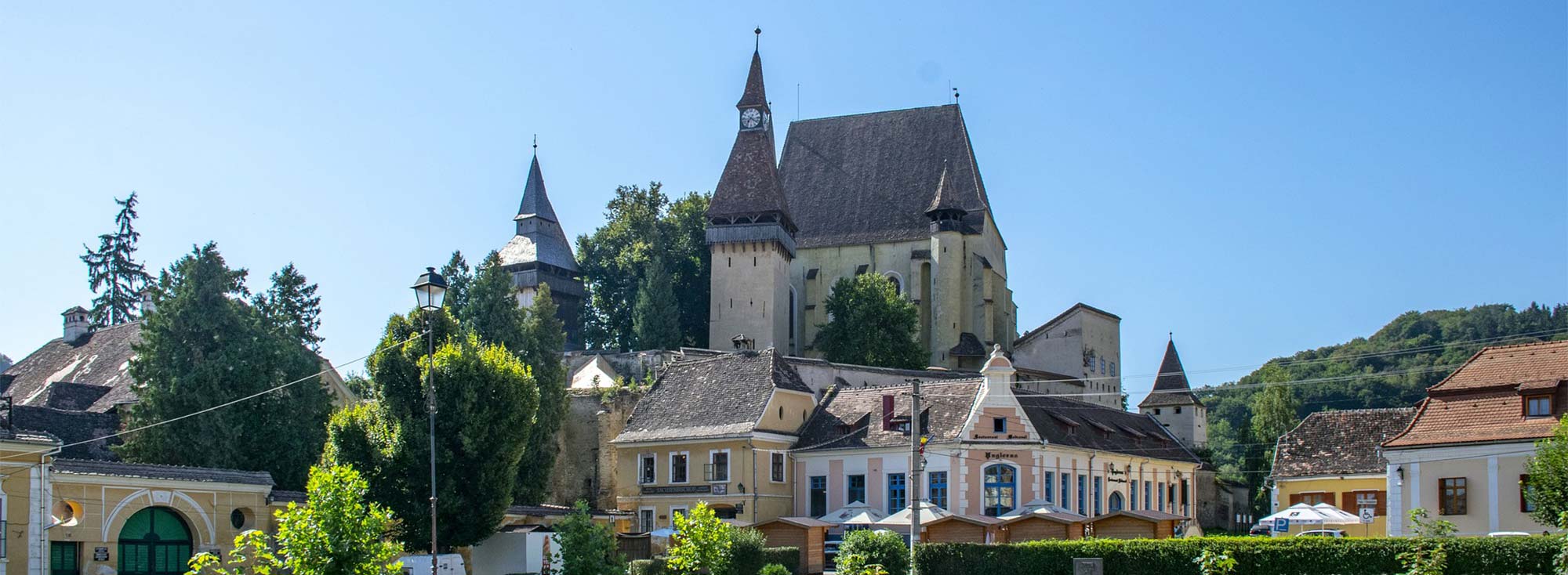
Chiesa fortificata di Biertan

La chiesa si trova nel comune di Biertan, nella contea di Sibiu, in Transilvania. Biertan fa parte dei primi insediamenti germanico-sassoni ed è menzionata in un documento del 1398 (altre fonti indicano il 1402).
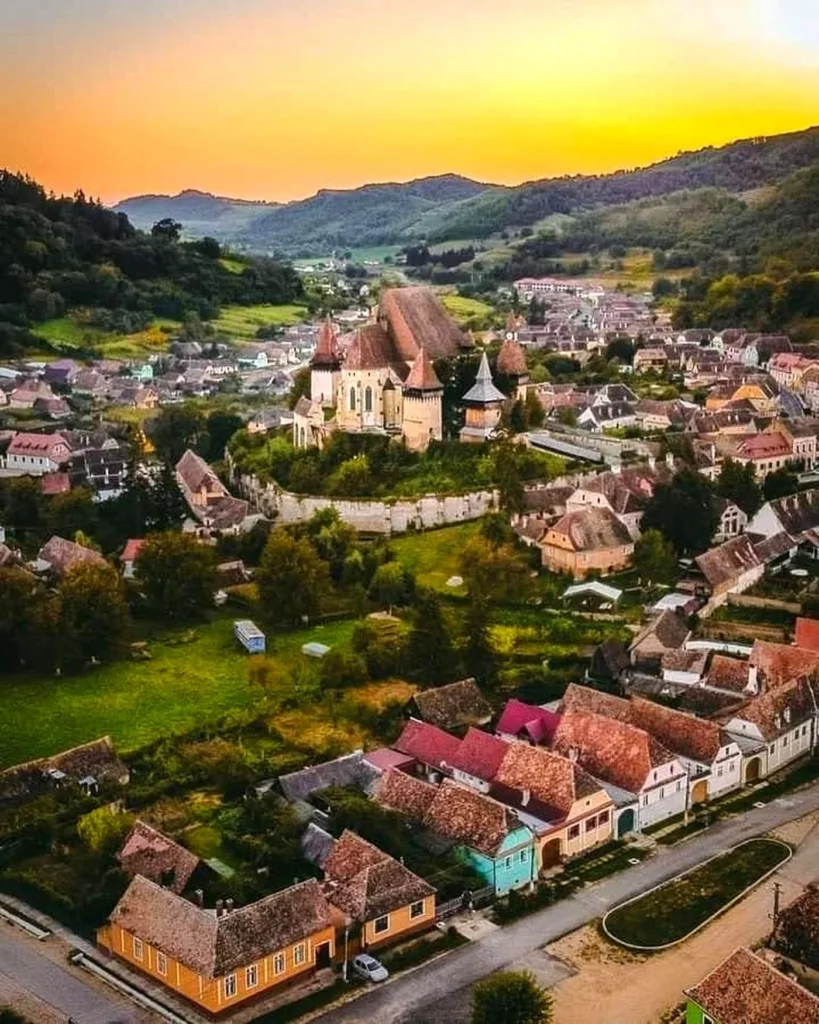
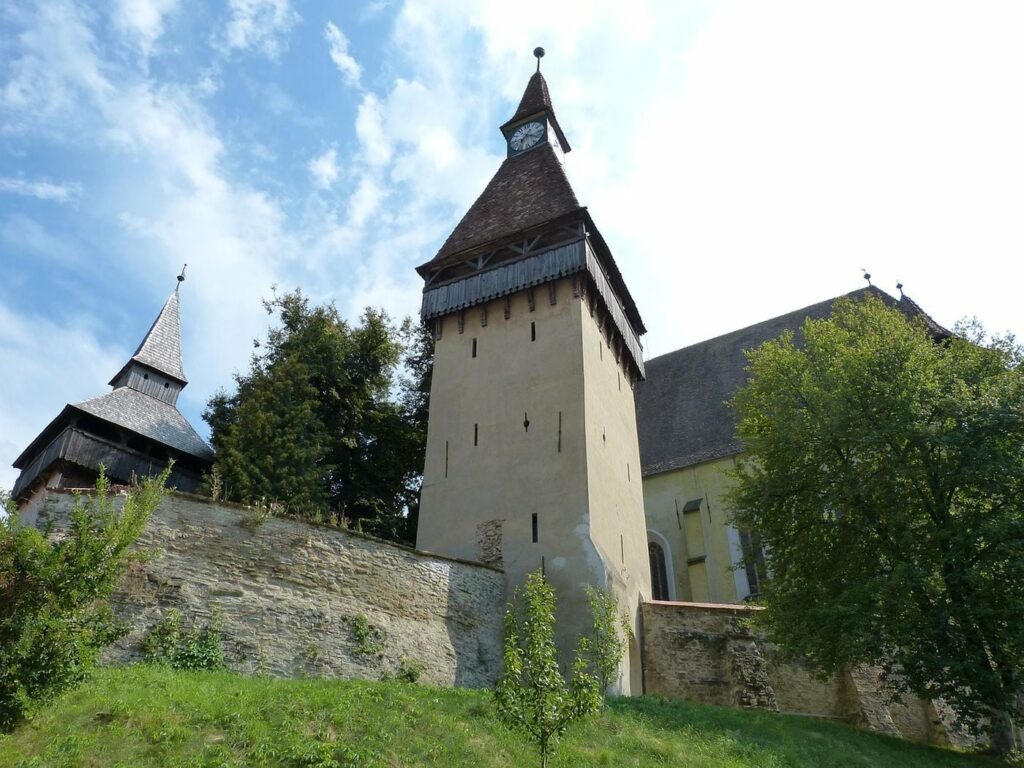
Fortezza di Biertan
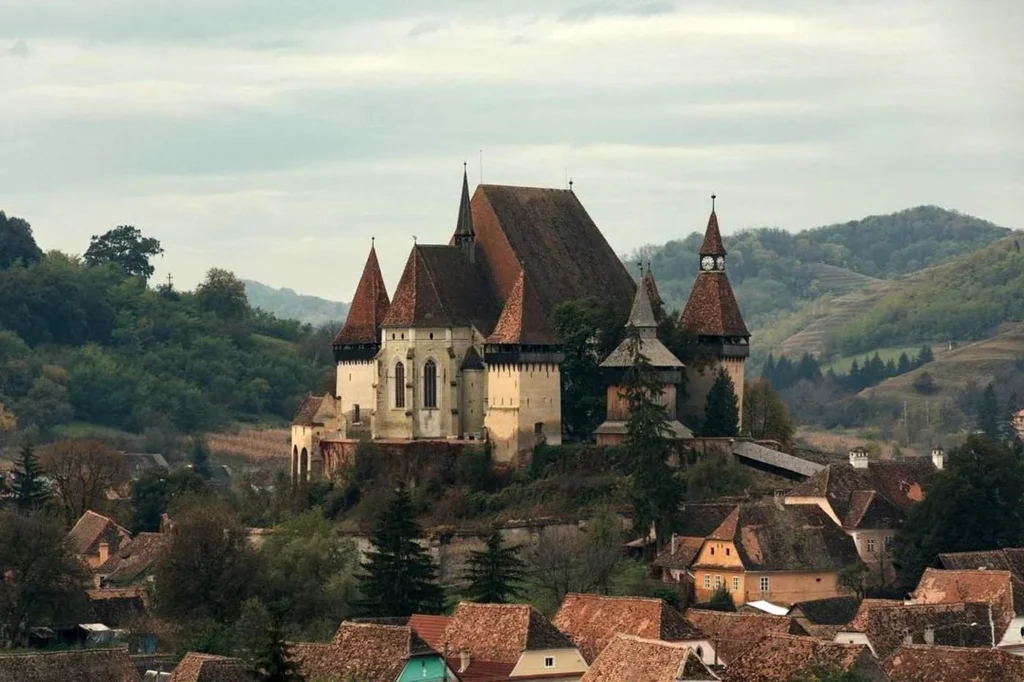
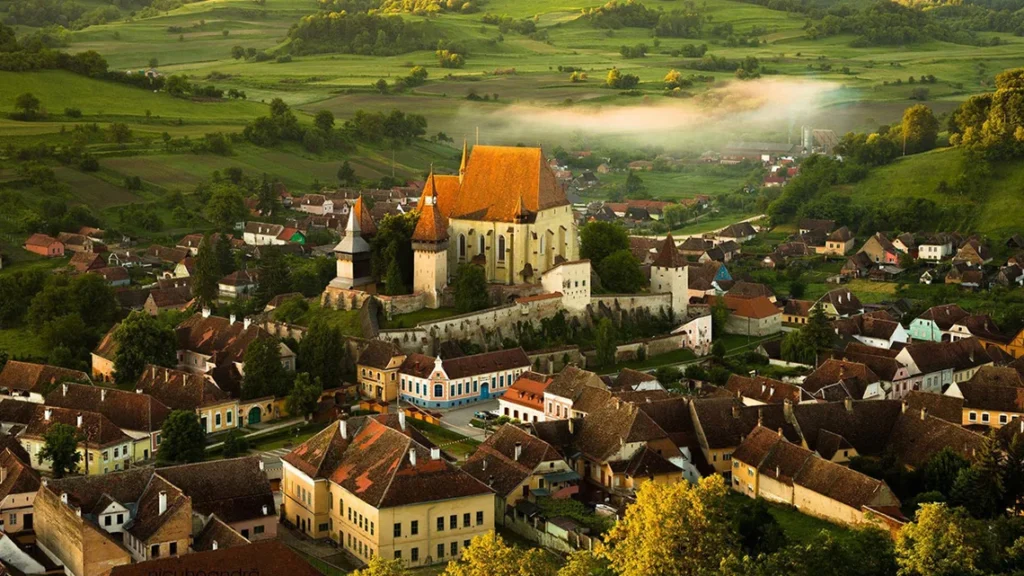
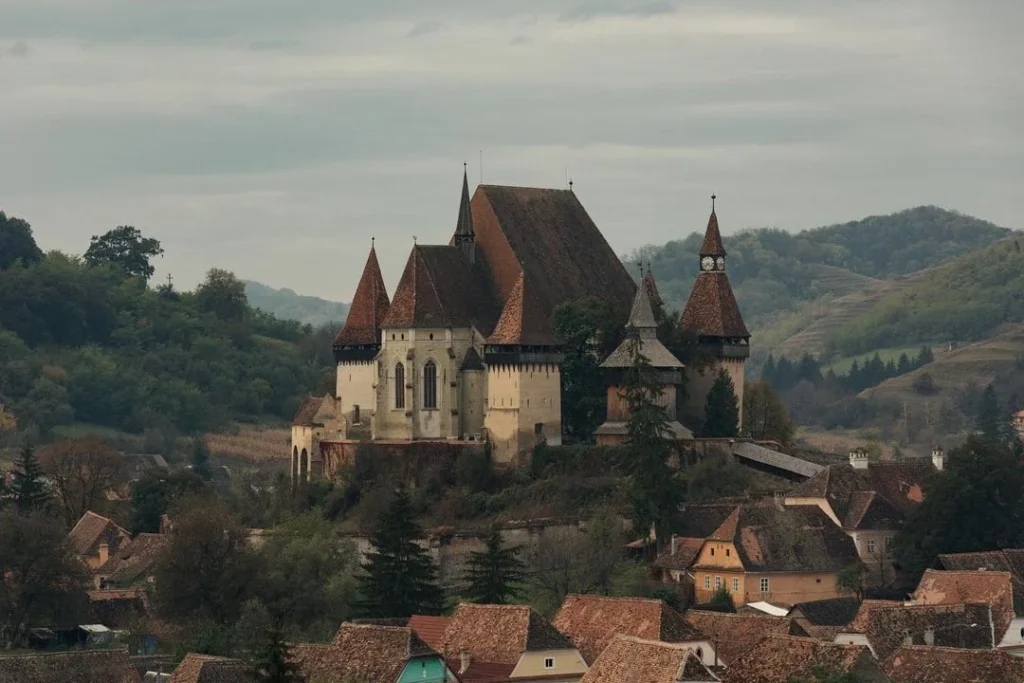
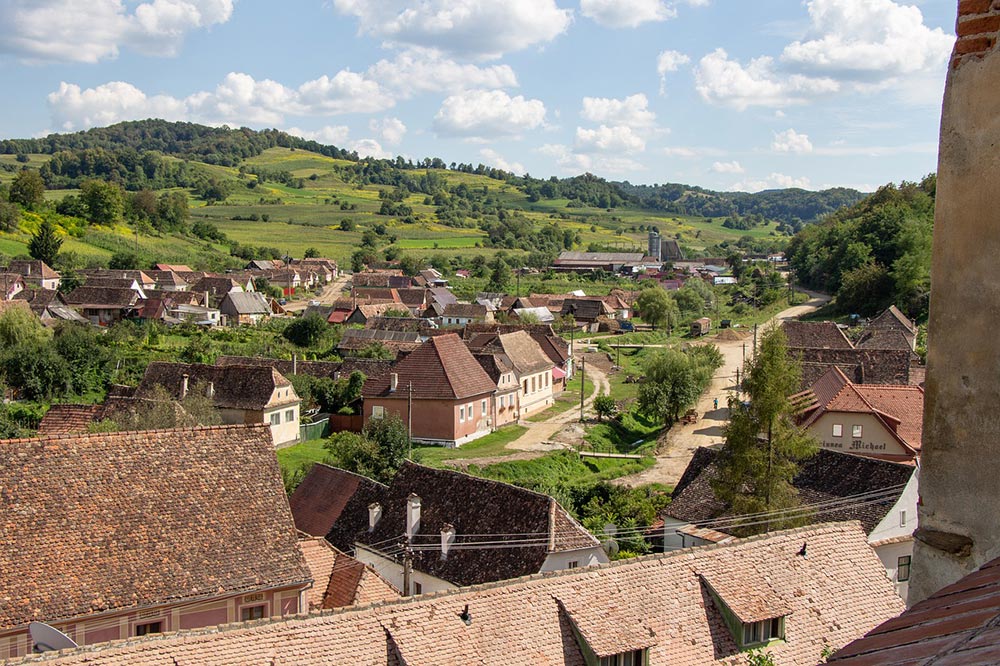
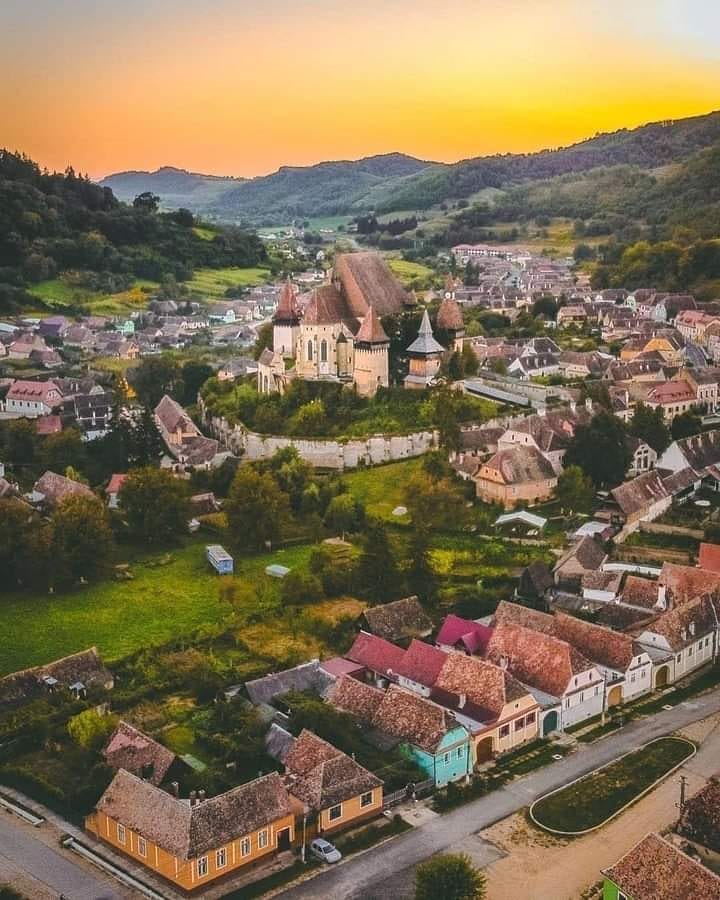
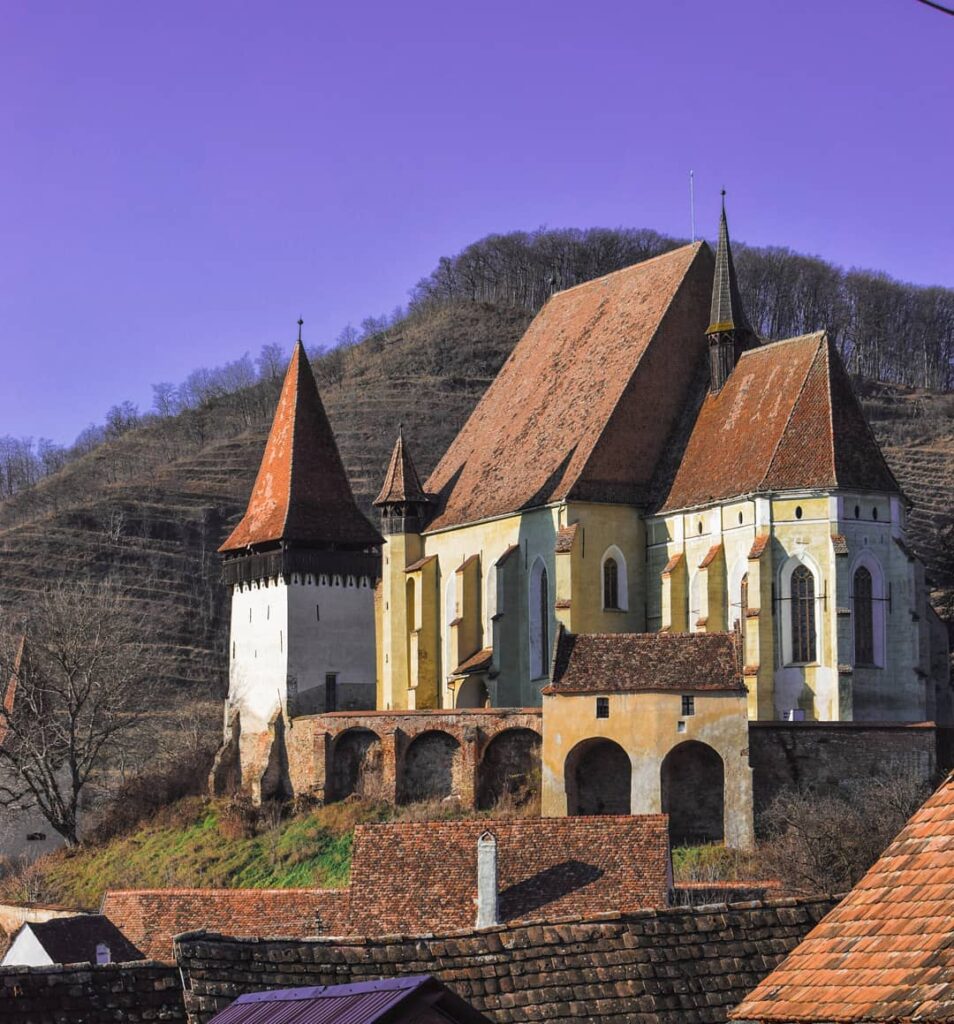
Come ogni insediamento sassone, si distingue per una serie di villaggi disposti attorno a una piazza centrale, sopra la quale si erge l’imponente chiesa-fortezza. Tra il 1572 e il 1867, Biertan fu sede dell’episcopato sassone (la sede episcopale della Chiesa evangelica A.B.), il che favorì la nascita di una delle più grandi comunità agricole della Transilvania attorno a questa chiesa fortificata. Si tratta di un tesoro medievale e architettonico della Romania che merita sicuramente una visita.
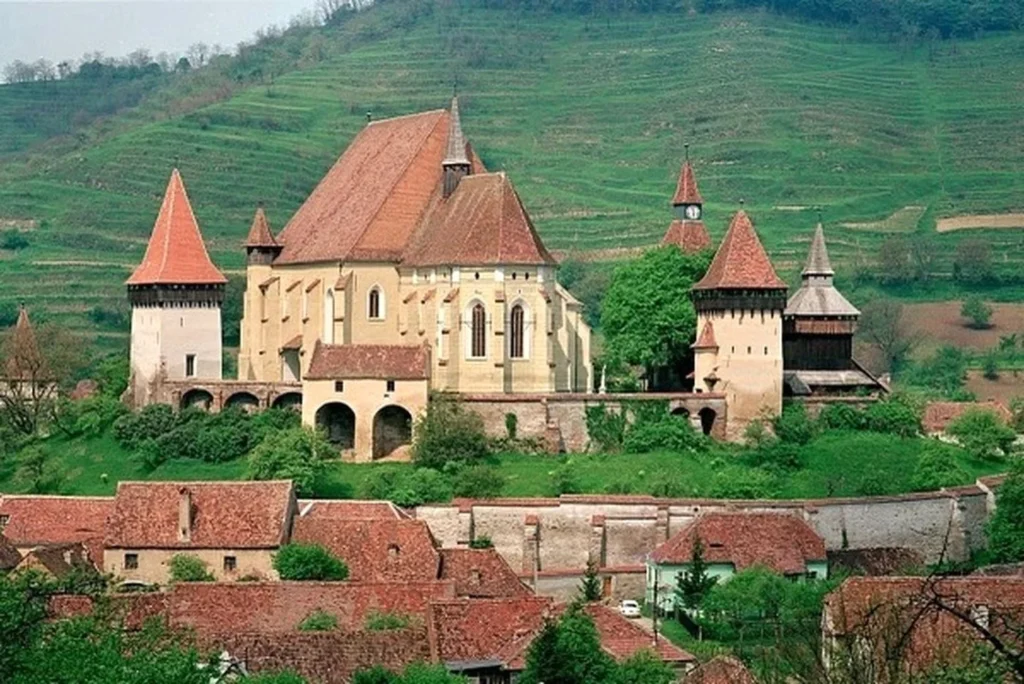
La fortezza di Biertan si trova nell’omonima località della contea di Sibiu e fa parte del patrimonio dell’UNESCO dal 1993. Situato tra Sighisoara e Mediaș, l’insediamento tedesco ci sorprende per la bellezza dei suoi elementi architettonici, ma anche per i capolavori che custodisce. Il nome deriva dal tedesco e si traduce come “chiesa a sala”. Fu costruita tra il 1492 e il 1515 in stile gotico e rappresenta un’attrazione turistica di particolare rilievo nella regione della Transilvania.
Biertan fa parte dei primi insediamenti sassoni tedeschi in Transilvania ed è menzionata come fortezza nel 1397. Come ogni insediamento sassone, presentava un’organizzazione urbana caratterizzata dallo stile franconiano, con file di case disposte attorno a una piazza centrale, sopra la quale si erge la sua imponente chiesa-città.
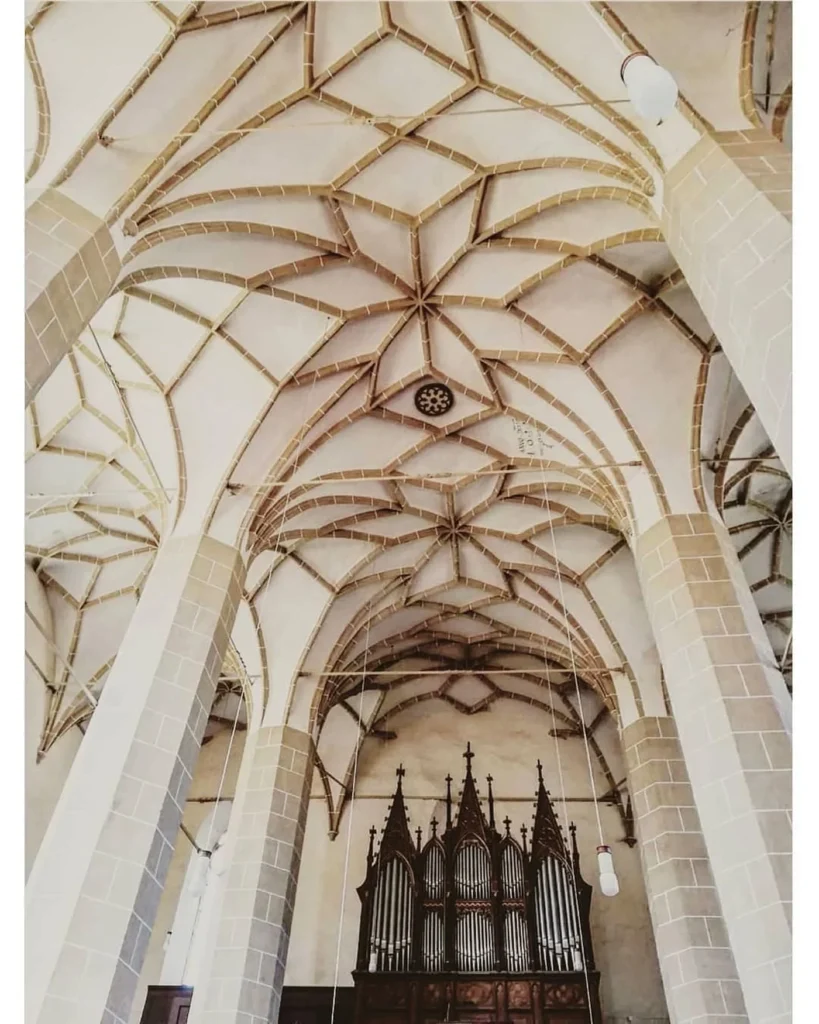
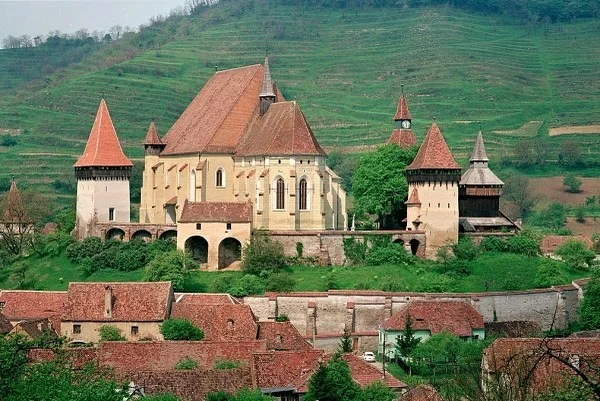
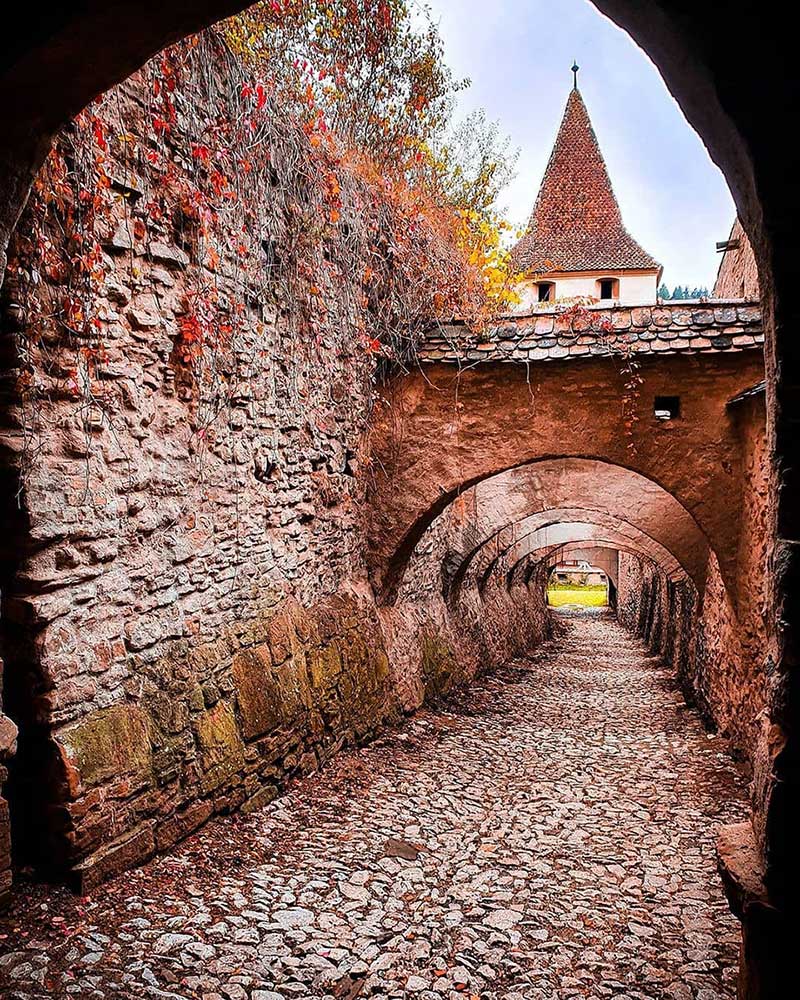
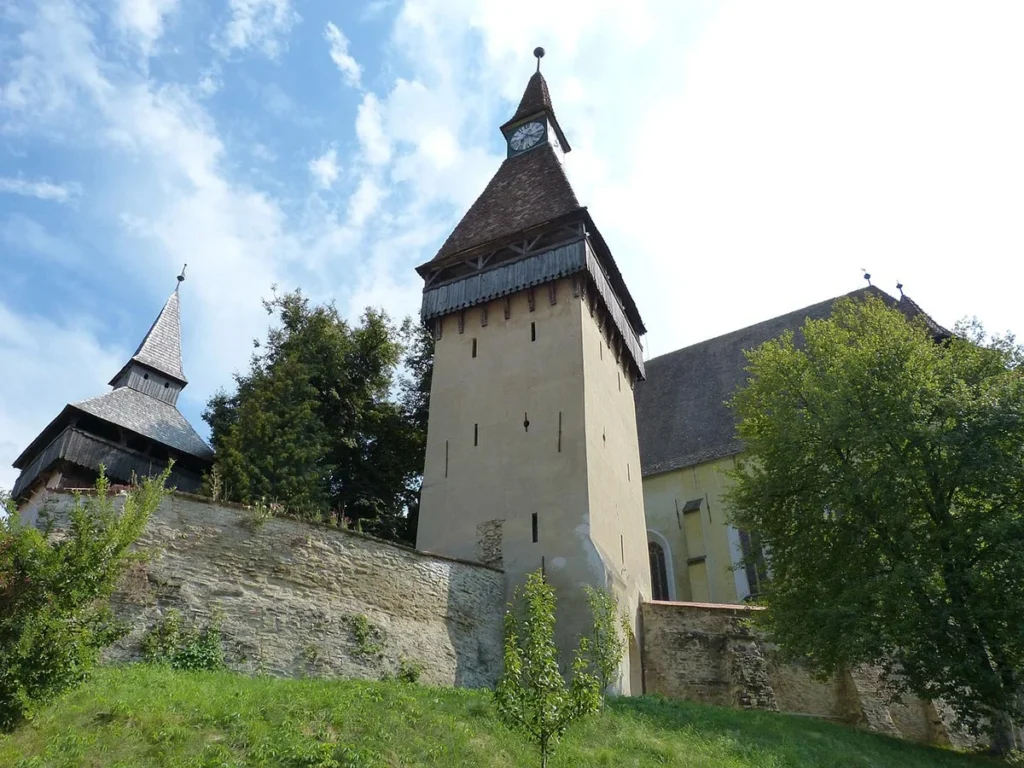
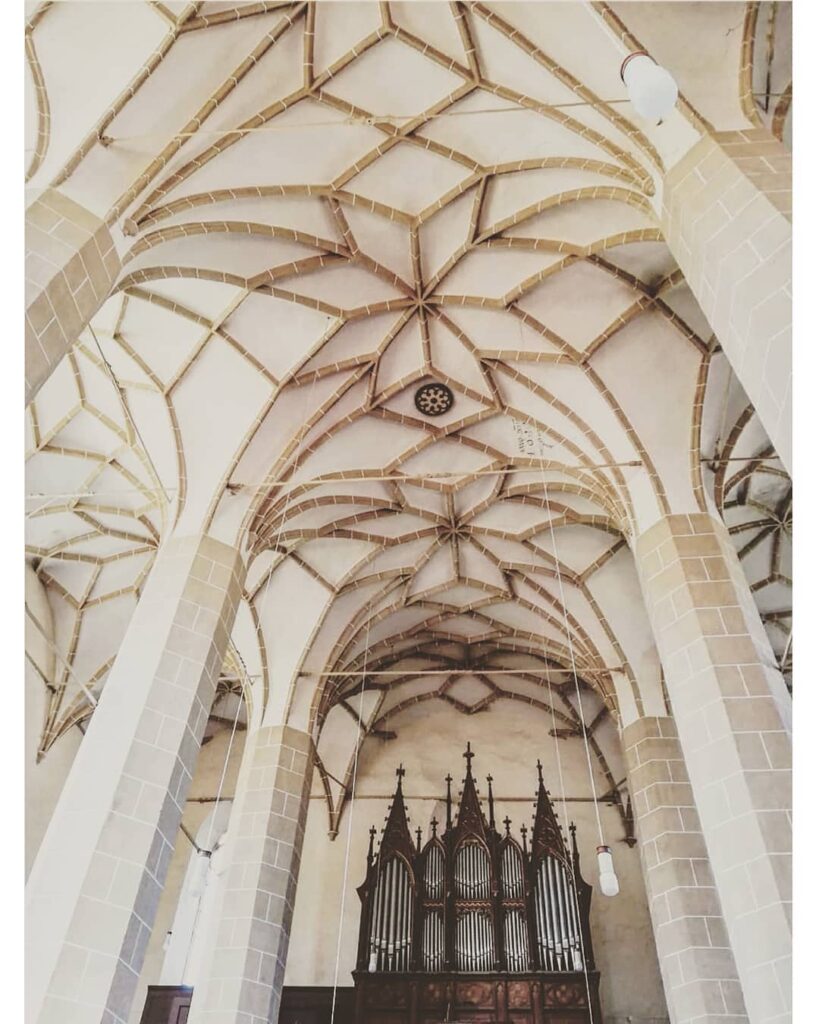
L’imponente monumento religioso combina armoniosamente gli stili gotico e rinascimentale, essendo costituito da tre mura di cinta con torri e bastioni medievali. L’edificio centrale del complesso è una chiesa-sala a tre navate, con volta a rete, costruita tra il 1492 e il 1516 sul sito di un’altra chiesa più antica. La chiesa è in stile tardo-gotico con elementi di architettura rinascimentale in alcuni portali. Si tratta dell’ultimo edificio di questo tipo – chiesa-sala – eretto in Transilvania.
Architecture
The building is composed of three rooms of almost equal size and height, and the entrance to the fortress can be made through one of the 3 gates with a Renaissance appearance: the western gate, the northern gate or the southern gate.
The main attraction for tourists is the Mausoleum Tower because the tombs of the priests who served the church are housed here, but here we can also visit the Weaver’s Tower and the Slanini Tower. Also here is a prison that was used to imprison husbands and wives who were at mutual enmity.
The church’s altar is the largest in Transylvania and consists of 28 panels painted by a painter with German and Austrian influences. It was built by masters from Nuremberg and Vienna between the years 1483-1513 and contains 28 superb paintings of scenes from the life of Jesus, Mary, the crucifixion, baptism, circumcision and various paintings of saints. Several of them are copies made after the Schittenstift altar paintings in Vienna.
The altar is unique in Transylvania especially due to the wealth of paintings. In the middle of the altar, where the crucifix now stands, there was a statue of the Virgin Mary during the Catholic period. Hence the name of the church: “Sf.Maria Church”.
The architectural ensemble of Biertan impresses by its harmonious setting in the locality, by its aesthetic and informative historical value and especially by the original substance preserved from the end of the 15th century and the beginning of the 16th century, characteristics that determined its inclusion in the List UNESCO World Heritage.