

Sighișoara | History / Gallery
The History of Sighișoara
Sighișoara is one of the most significant medieval towns in Transylvania, Romania. The city is located in the Târnava Mare Valley and is considered one of the best-preserved inhabited medieval fortified towns in Europe. Due to its exceptional historical and architectural significance, the old town was inscribed on the UNESCO World Heritage List in 1999.
The Founding in the Middle Ages
The history of Sighisoara begins in the 12th century, when the Hungarian kings invited German settlers—who later became known as the Transylvanian Saxons—to Transylvania. Their mission was to secure the eastern borders of the Kingdom of Hungary, promote trade, and found new towns. Over the course of the 13th century, a fortified settlement emerged on a hill. The first documented mention dates back to 1280. Thanks to its strategically favorable location, Sighisoara quickly developed into an important center of trade and craftsmanship.
Heyday as a Saxon Trading City
In the 14th and 15th centuries, Sighisoara experienced an economic boom. The city was granted extensive trading privileges and became an important center of craftsmanship. Various guilds shaped the city’s economic life and were also responsible for defending the city walls. Each guild was responsible for maintaining one tower. Of the original fourteen defensive towers, nine still stand today. Particularly well-known is the Clock Tower, which was built in the 14th century and remains the city’s landmark to this day. For centuries, it served as the main gate to the castle and as the seat of the city administration. Its mechanical figures symbolize the days of the week, virtues, and justice.
The Castle and the Medieval Townscape
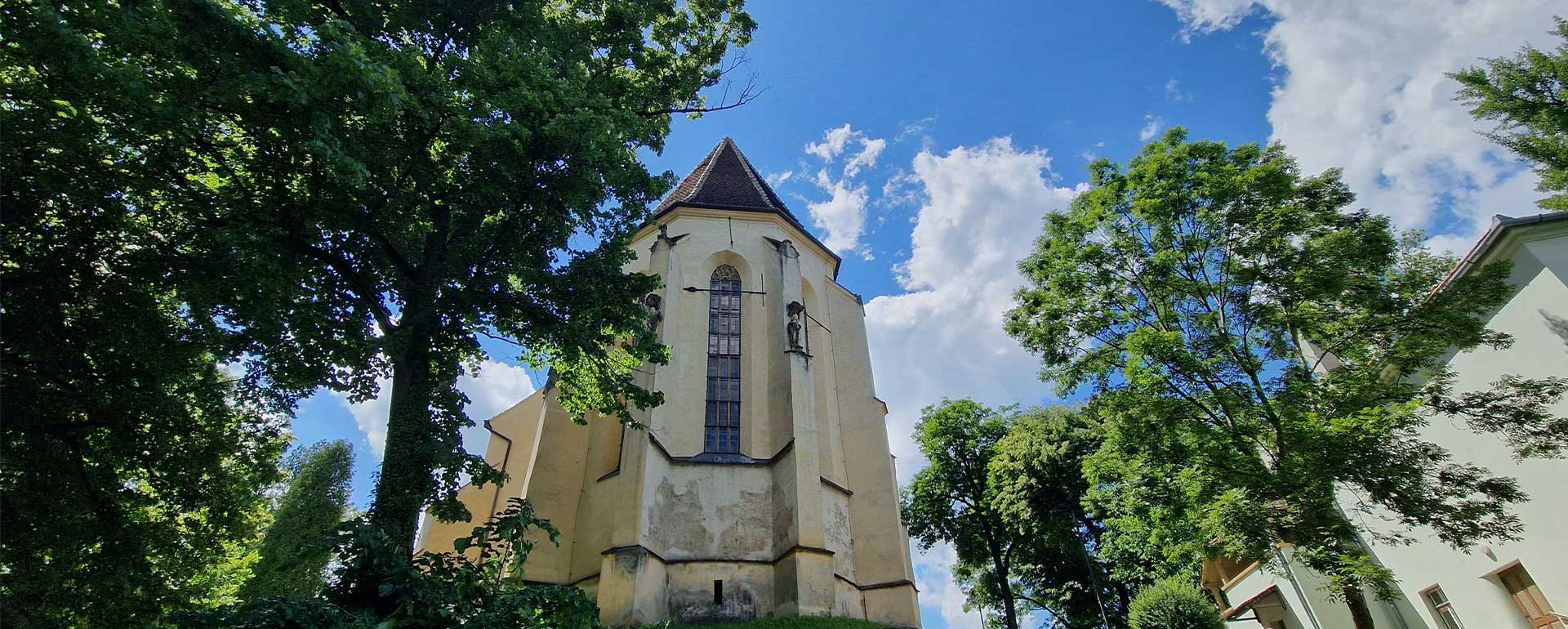
The fully preserved castle complex, with its narrow alleys, colorful townhouses, churches, and defensive walls, still conveys an authentic impression of a medieval town today. At its heart is the Bergkirche, which can be reached via the covered “Schülertreppe” (Students’ Staircase) with its approximately 175 steps. The staircase was built in the 17th century to make the climb easier for students and churchgoers during inclement weather.
Vlad Dracul and the Legend of Dracula
Sighişoara also gained particular fame through its connection to Vlad II Dracul, the father of Vlad III Drăculea, who is considered the historical inspiration for the character of Dracula. Vlad III was presumably born in Sighisoara in 1431, while his father was living there. Although the literary character Dracula is based on the novel by the Irish author Bram Stoker, the historical figure Vlad III has contributed significantly to the city’s worldwide fame.
Sighisoara in Modern Times
Over the following centuries, Sighisoara remained an important cultural and economic center for the Transylvanian Saxons. The city was severely affected on several occasions by fires, plague epidemics, and armed conflicts, but was always able to recover. After World War I, Transylvania became part of Romania. After World War II, the demographic structure changed significantly. Many members of the German minority were expropriated or left their homeland in the decades that followed. Especially after the political upheaval of 1989, numerous Transylvanian Saxons emigrated to Germany.
Sighișoara Today
Today, Sighișoara is a vibrant small town with about 25,000 residents and one of Romania’s most popular tourist destinations. Its exceptionally well-preserved Old Town attracts numerous visitors from all over the world every year. Historic buildings, museums, cultural events, and the annual Medieval Festival serve as reminders of the city’s long history. Sighișoara is considered a unique testament to the culture of the Transylvanian Saxons and an outstanding example of medieval urban development in Eastern Europe. The combination of well-preserved architecture, eventful history, and cultural diversity makes the city one of Romania’s most fascinating historical sites.