

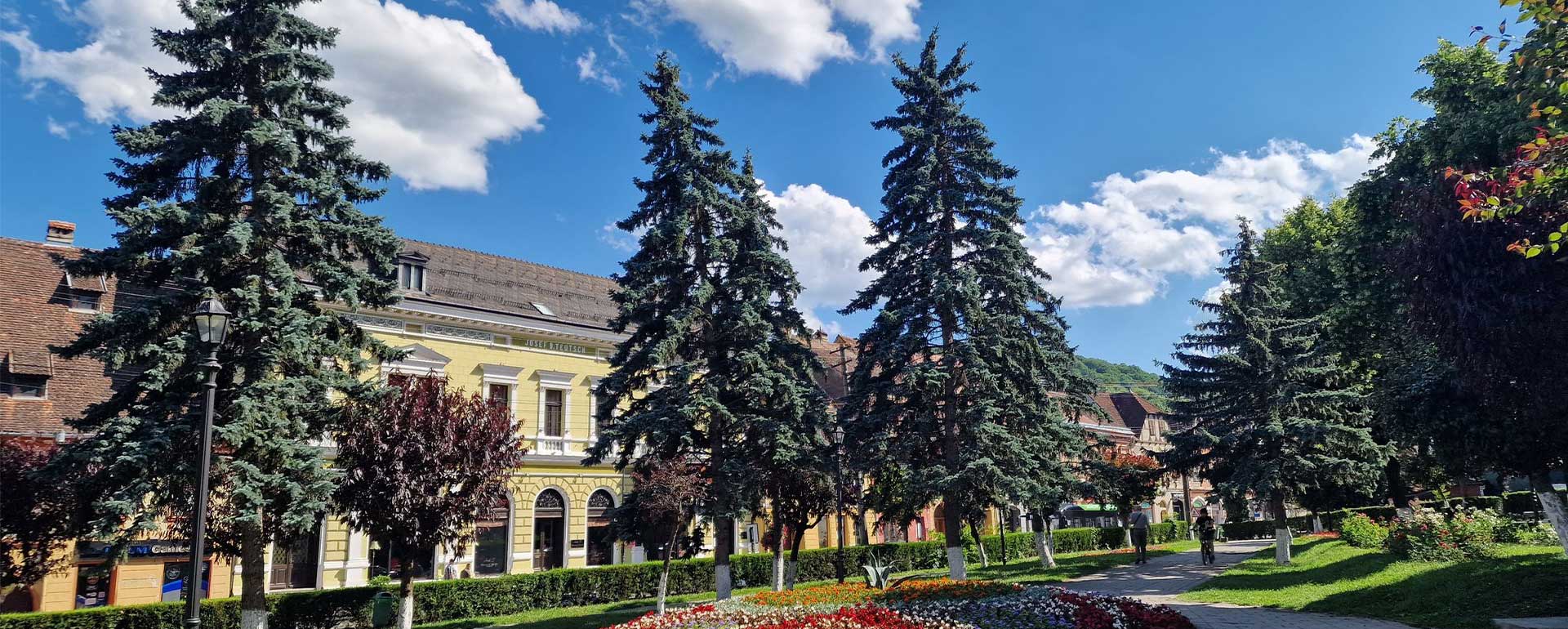
Sighișoara | Worth seeing in Sighișoara
Sighișoara (in German: Schäßburg, in Hungarian: Segesvár)

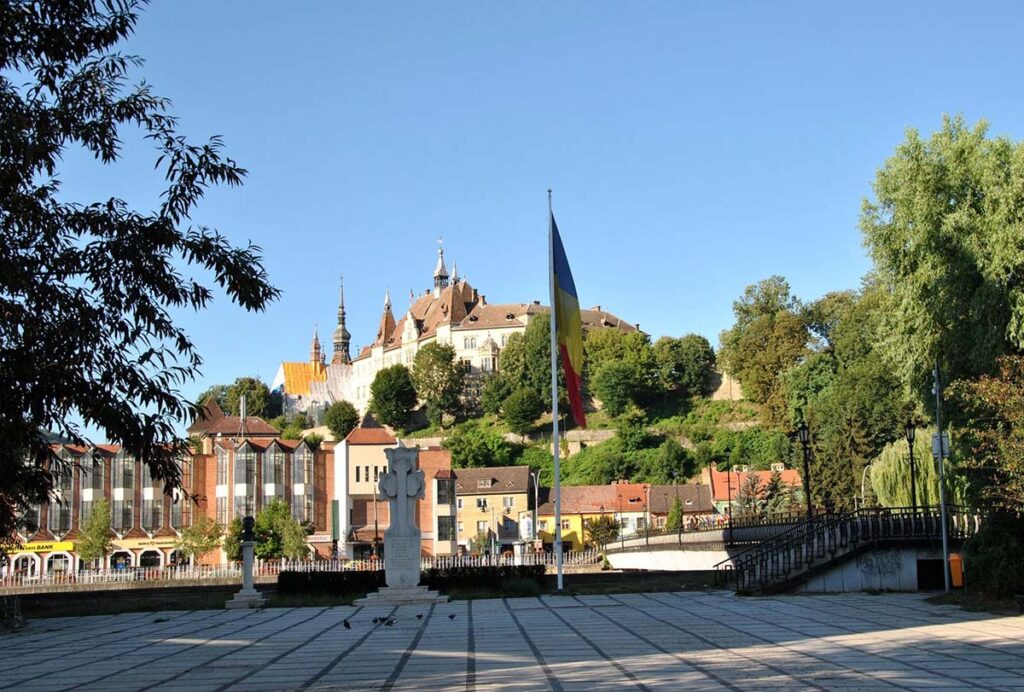
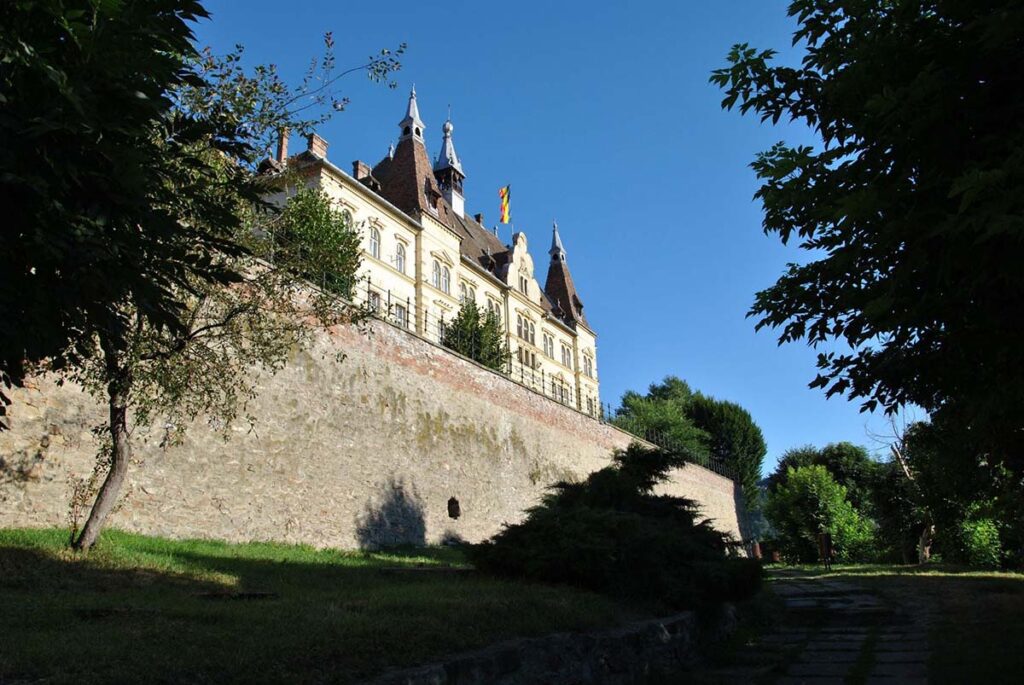
Sighişoara in German Schäßburg and Hungarian Segesvár is located in the heart of Transylvania. 120 km from Braşov, approx. 100 km from Sibiu and 55 km from Târgu-Mureş, Sighişoara is one of the few fully preserved medieval towns that are currently on the world there. Its unique historic center was declared a UNESCO World Heritage Site in 1999.
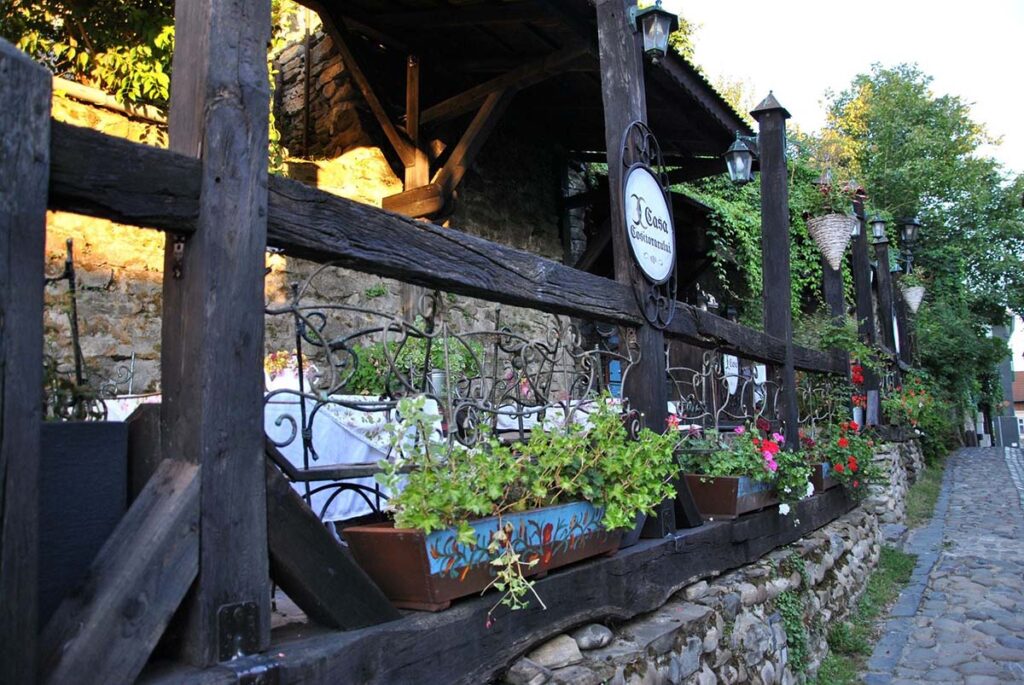
Sighișoara – Attractions, Travel Tips, and Information – History Sightseeing features
Prehistoric traces can be found in various parts of the city. There were finds from the Bronze and Iron Ages here. In the time of the Roman Empire, in the early second century, the Sighișoara Castle stood on the city’s territory, in a field just outside the modern settlement area.
The city of Sighişoara was founded in the second half of the 12th century by German settlers brought to Transylvania to protect the old borders of the Hungarian kingdom in writing.
The layout of the town or fortress is characteristic of German towns founded in the Middle Ages.
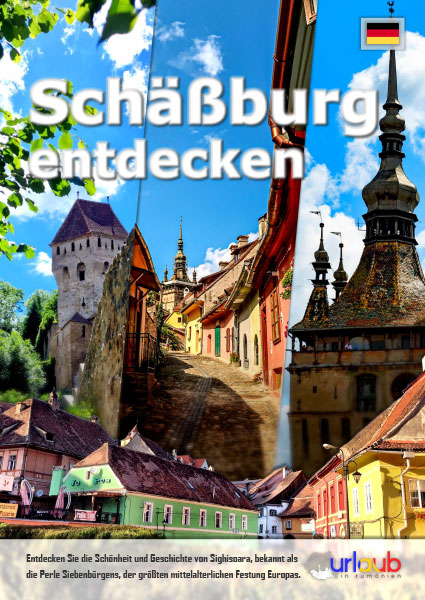
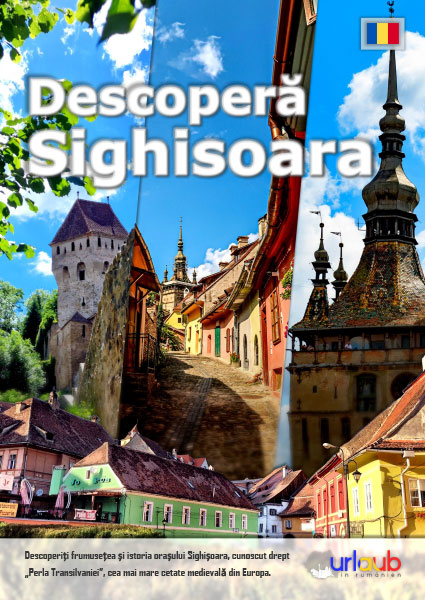


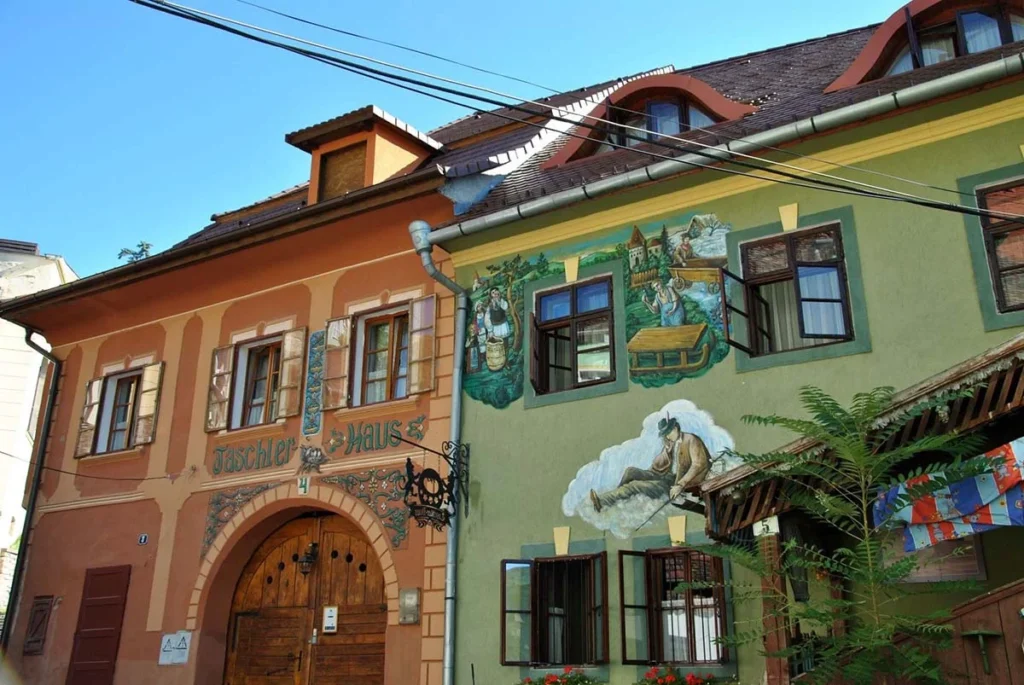
The architecture of the buildings in Sighişoara clearly shows their German influences, as the architectural style is similar to old German cities like Rothenburg or Nuremberg.
When it comes to the history of the city, one must not forget the most legendary resident of Sighişoara. Vlad III, better known as “Dracula” was born here. The house where he was born is located near the Zitadellenplatz.
Sighişoara has been inhabited mainly by Transylvanian Saxons for centuries since it was founded. Until 1930 they were still the largest ethnic group in terms of numbers. After that, the Romanians gained the majority. The German population is currently less than 2%.
In Sighişoara there are some recreational areas that restore the connection between man and nature. The most important places for this are Dealul Gării, the Old Oak Reserve and the Broad Plateau.
Sightseeing features
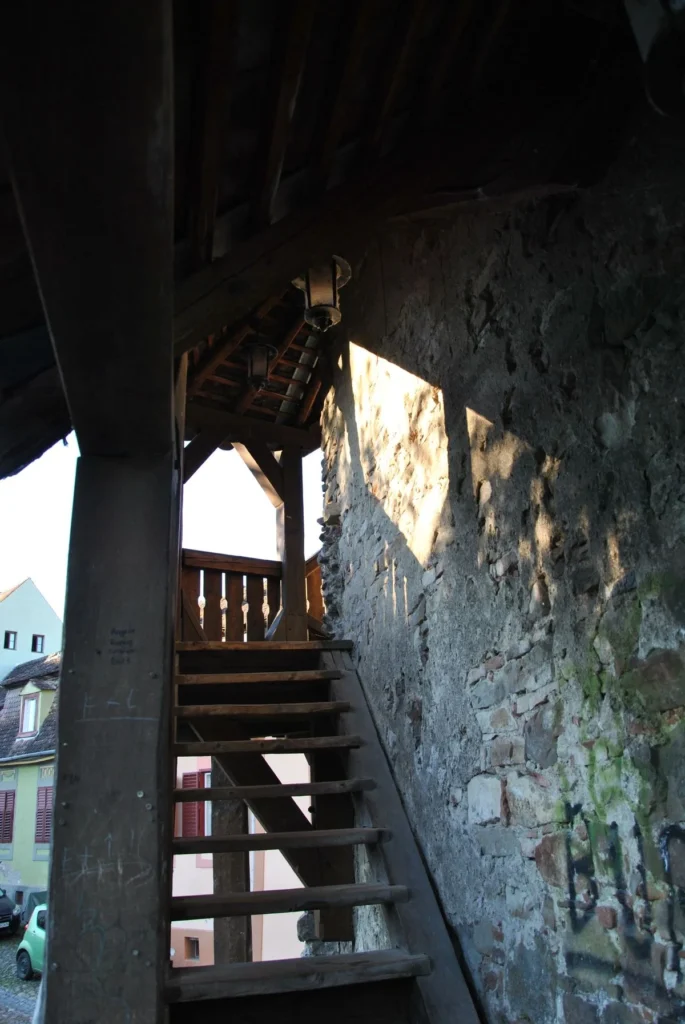
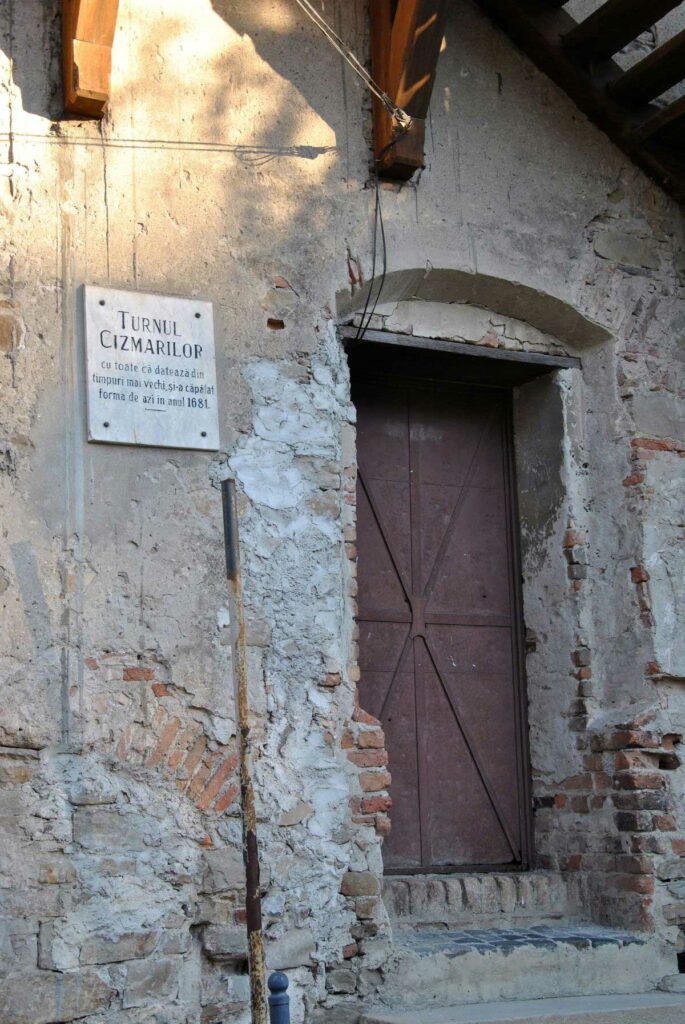
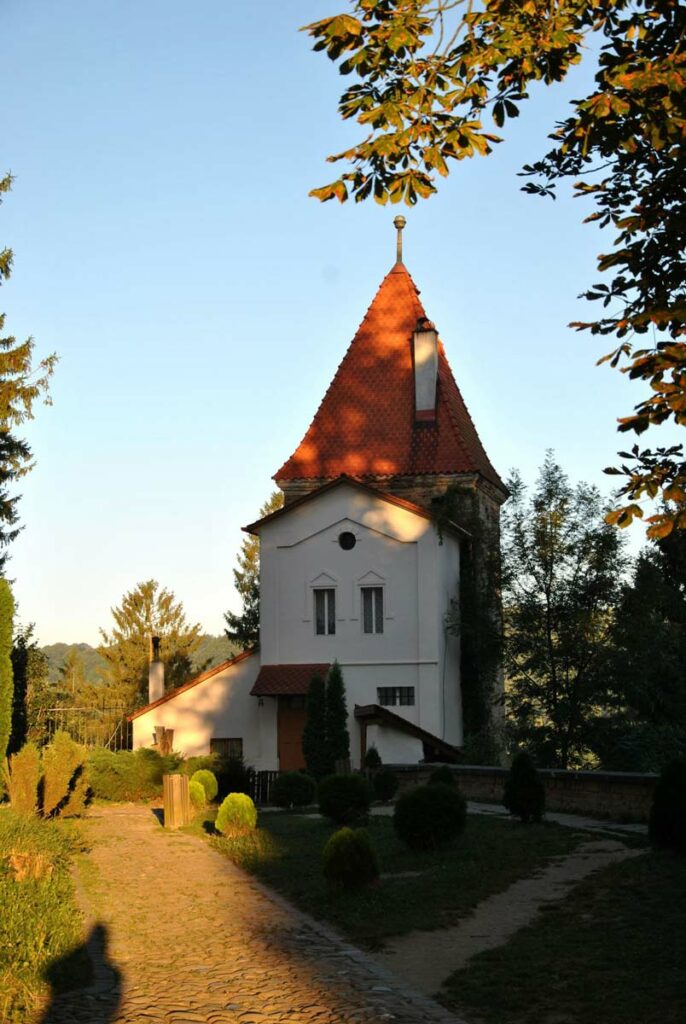
The Shoemaker’s Tower | Turnul Cizmarilor
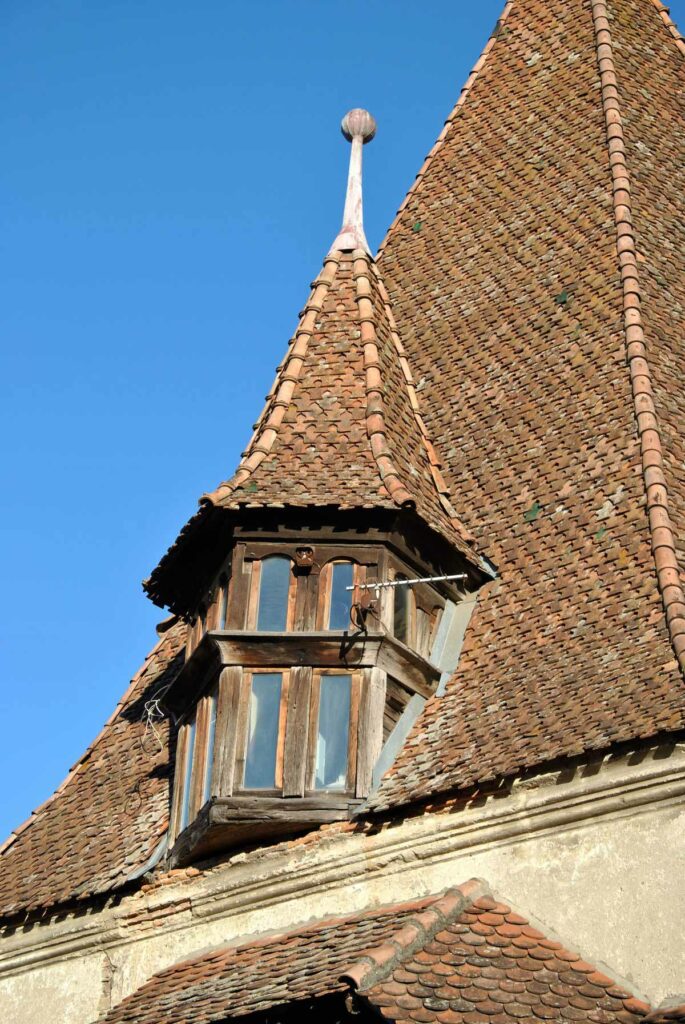
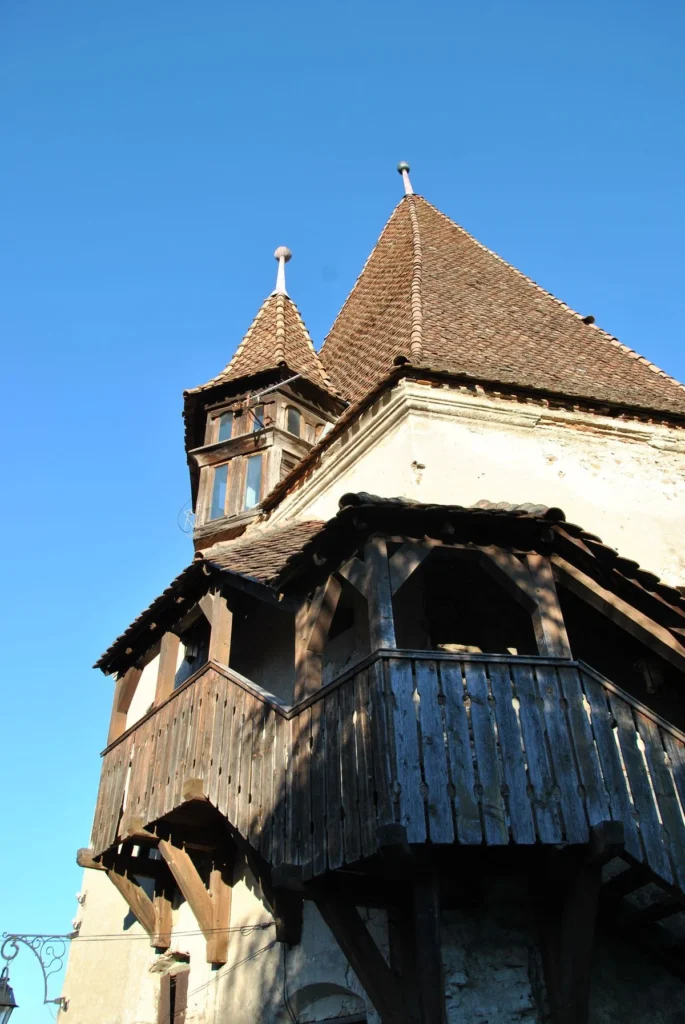
The Shoemaker’s Tower, first mentioned in a document in 1522, was rebuilt in 1681 following the fire of 1676 and has the shape of a hexagonal prism with unequal sides.
The jagged roof, with two observation towers on the south and north sides, gives it a distinctive appearance. This tower is home to the stone plaque bearing the city’s oldest coat of arms and the motto “Nomen Domini, turris fortissima” (translated: “The Name of the Lord is the strongest fortress”), which is preserved in the Historical Museum in the Turnul cu Ceas (Clock Tower) in the city of Sighișoara (Schäßburg).
After World War II, the tower’s appearance underwent several changes. The windows were widened and the entrance altered; the exterior staircase was also added in later years.
Church on the Hill
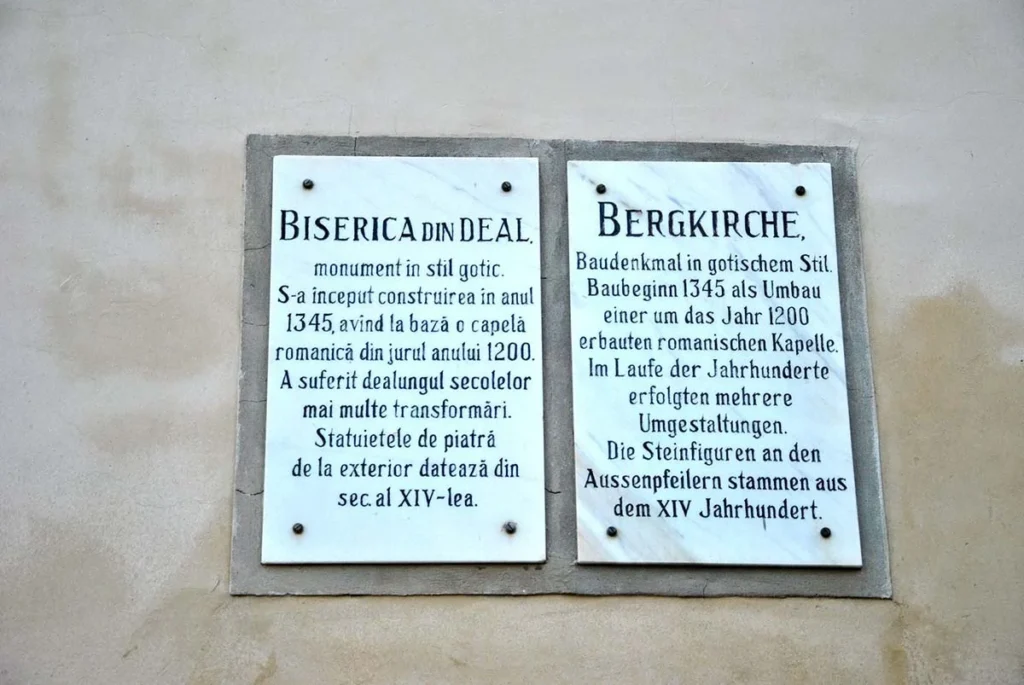
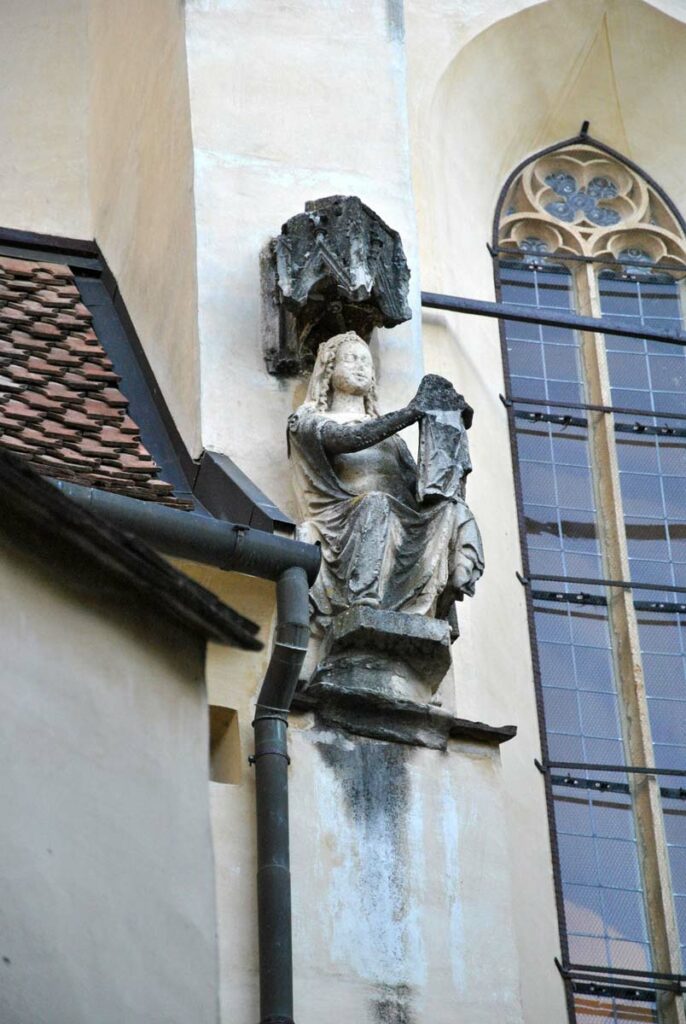
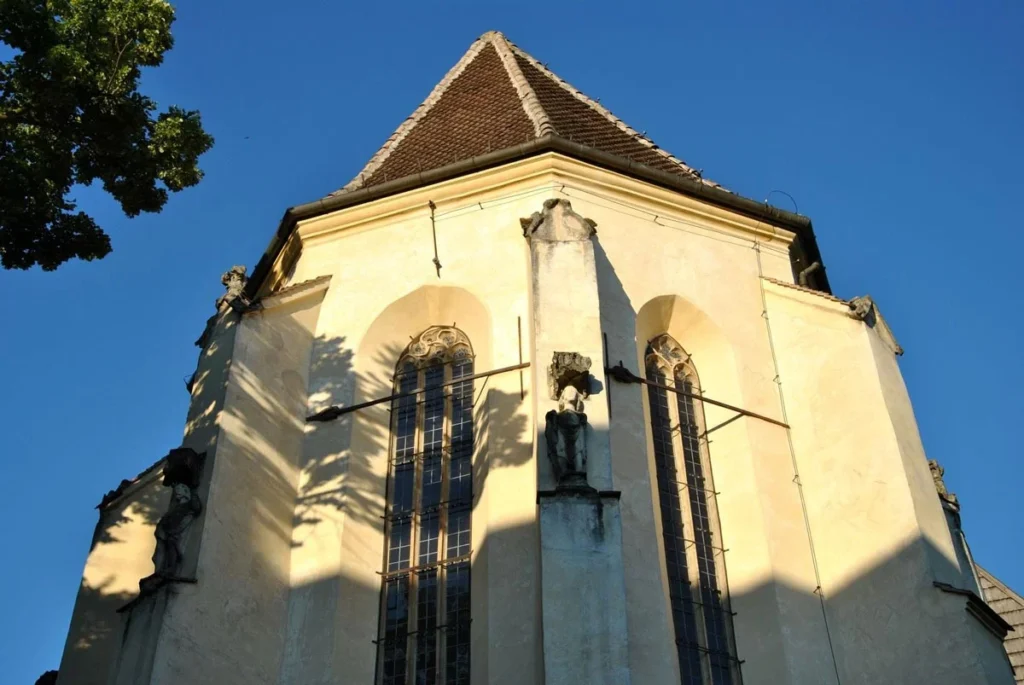
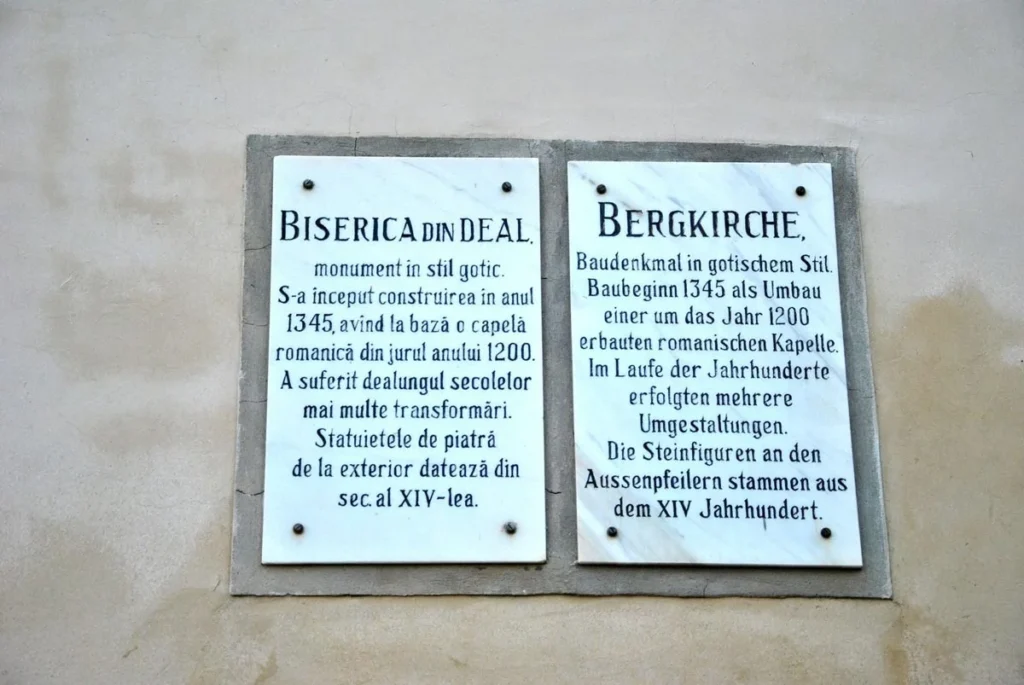
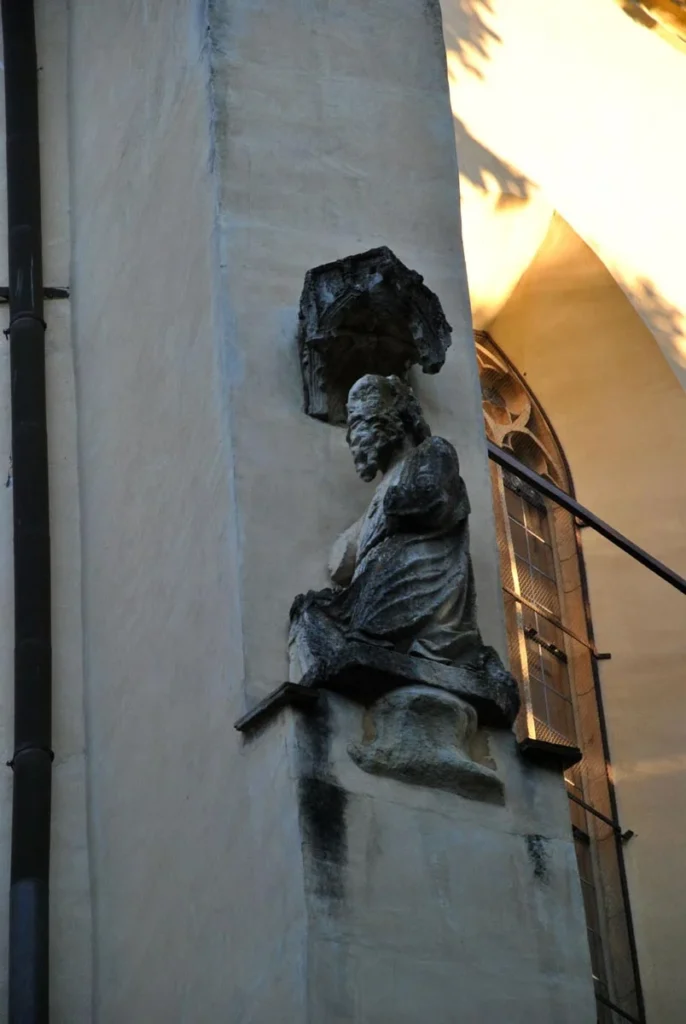
Standing on a plateau at the highest point of the hill, this church is one of the few churches in Transylvania with a crypt under the altar. The church preserves valuable pieces of Gothic stone furniture and paintings from around the years 1380-1520.
The German cemetery behind it with its crypts and beautifully crafted tombstones is also worth seeing (especially the Sternheim crypt with the inscriptions).
The hour tower
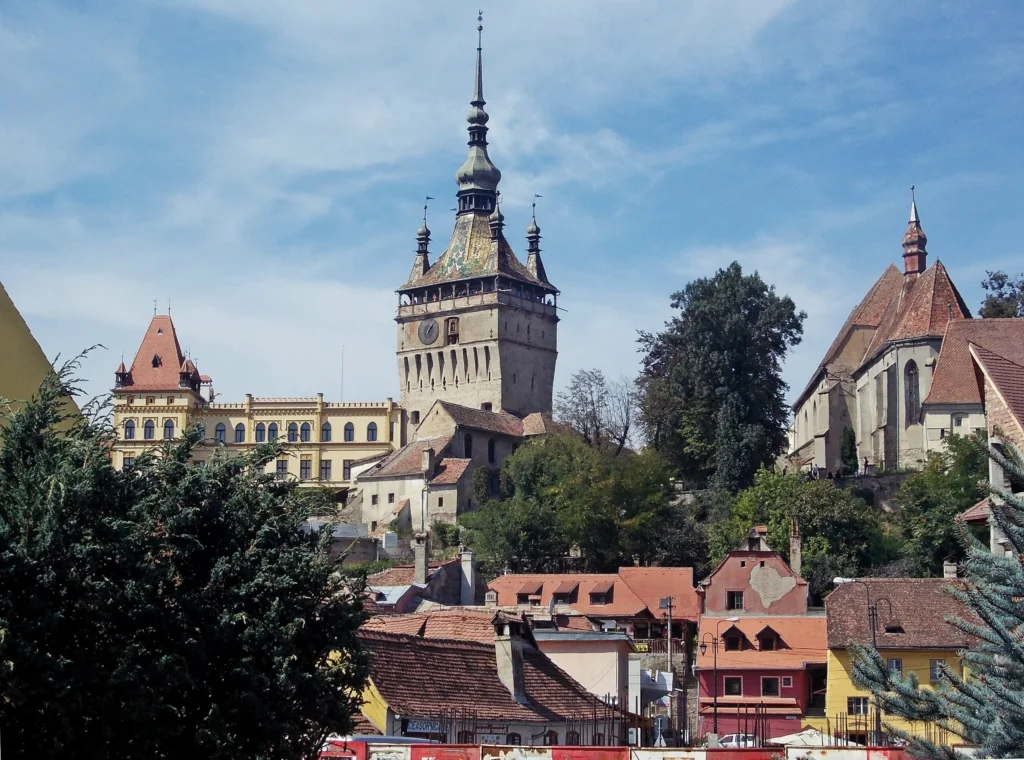
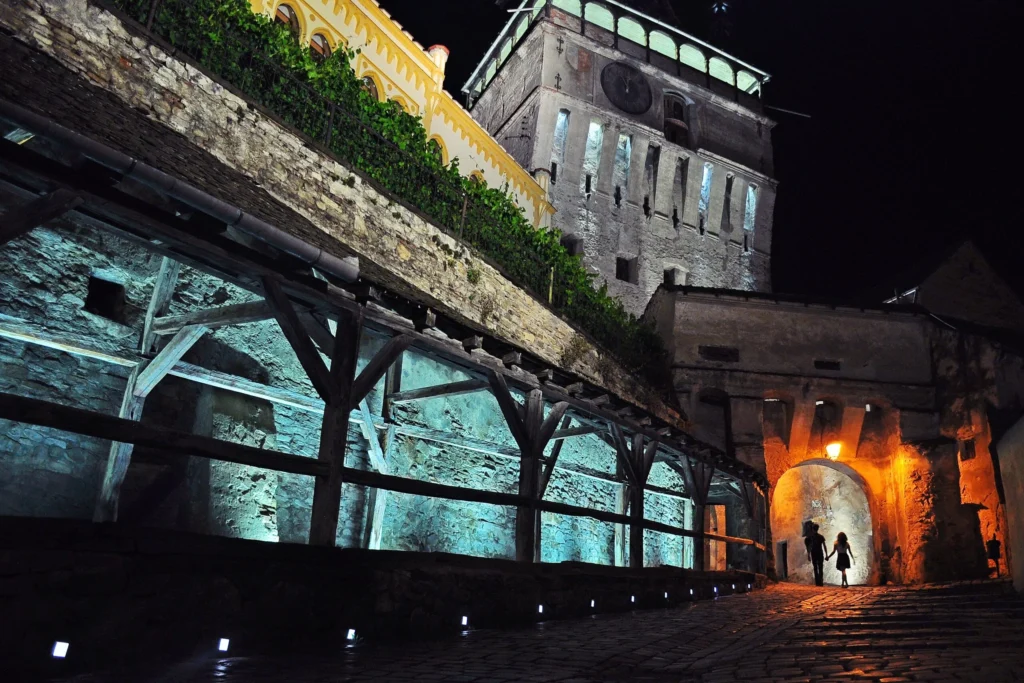
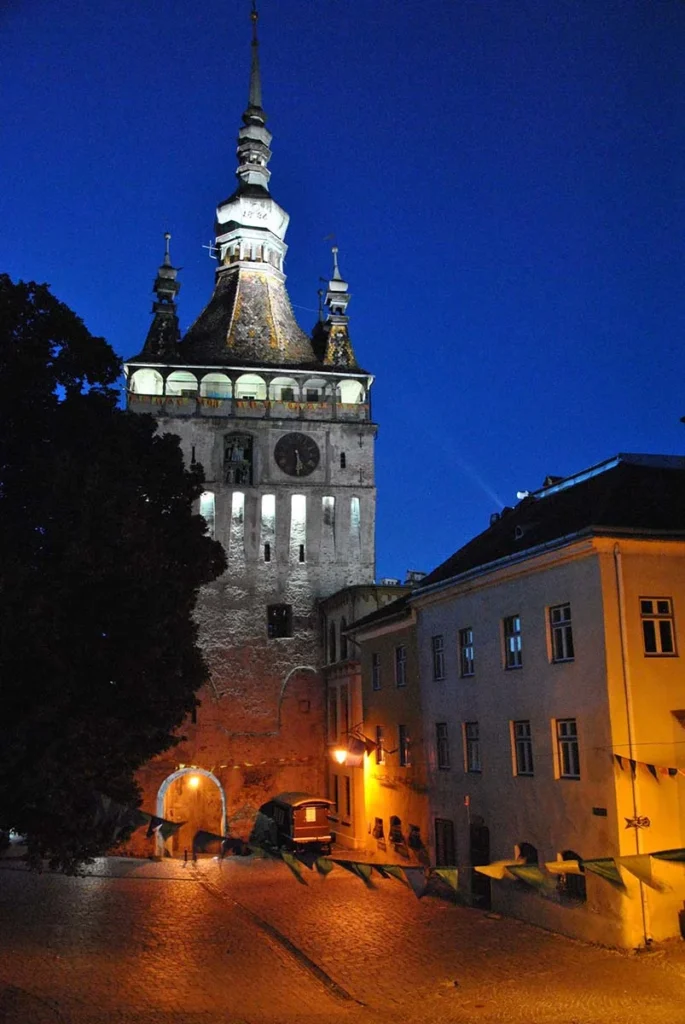
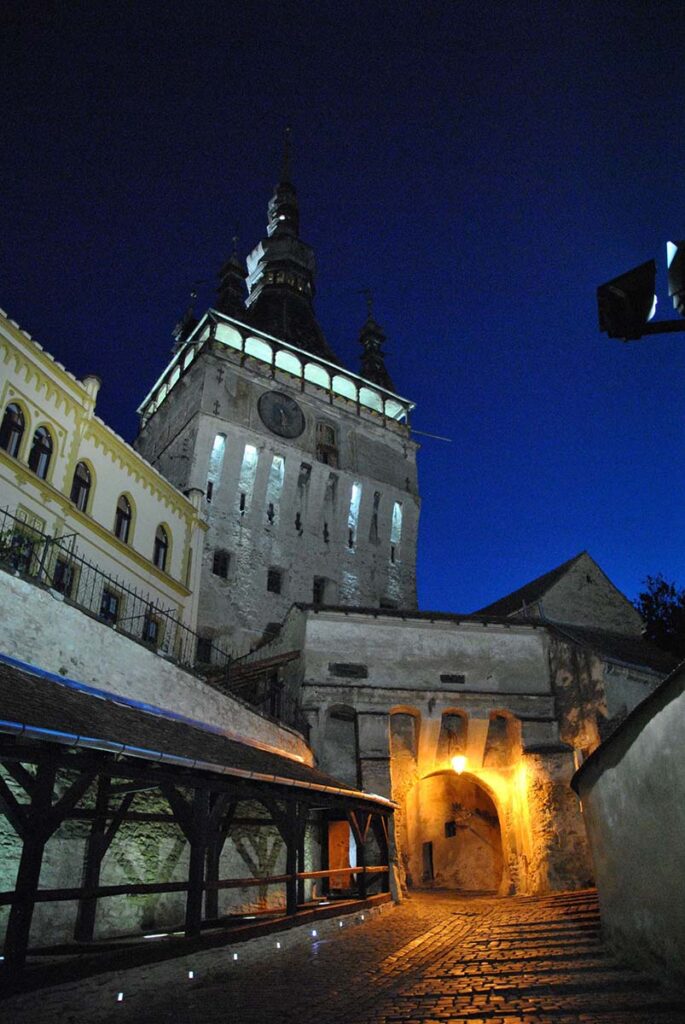
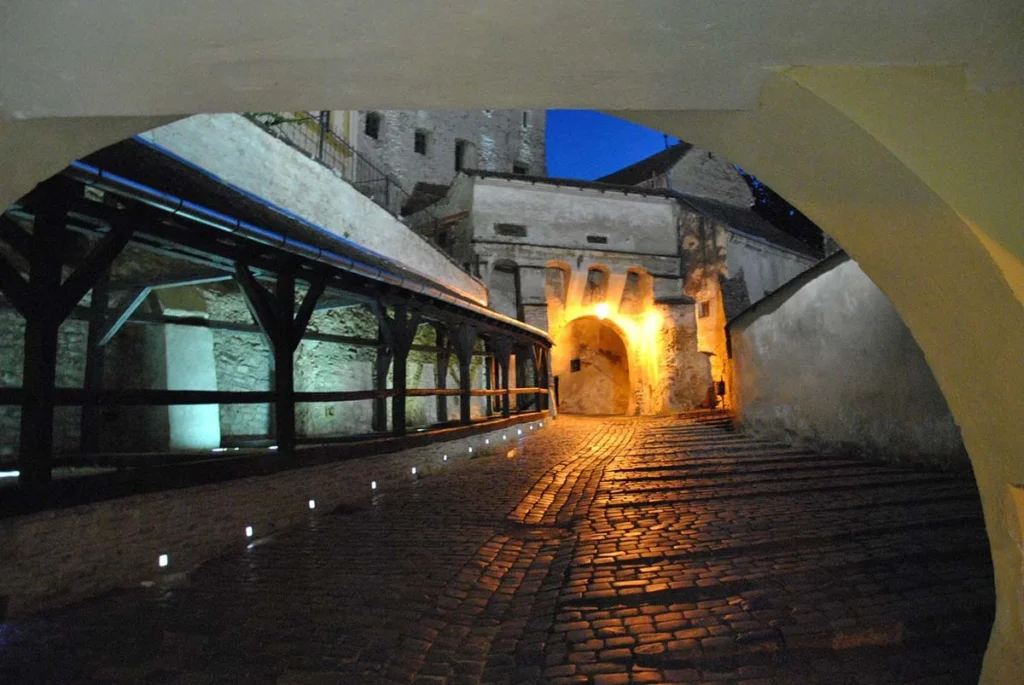
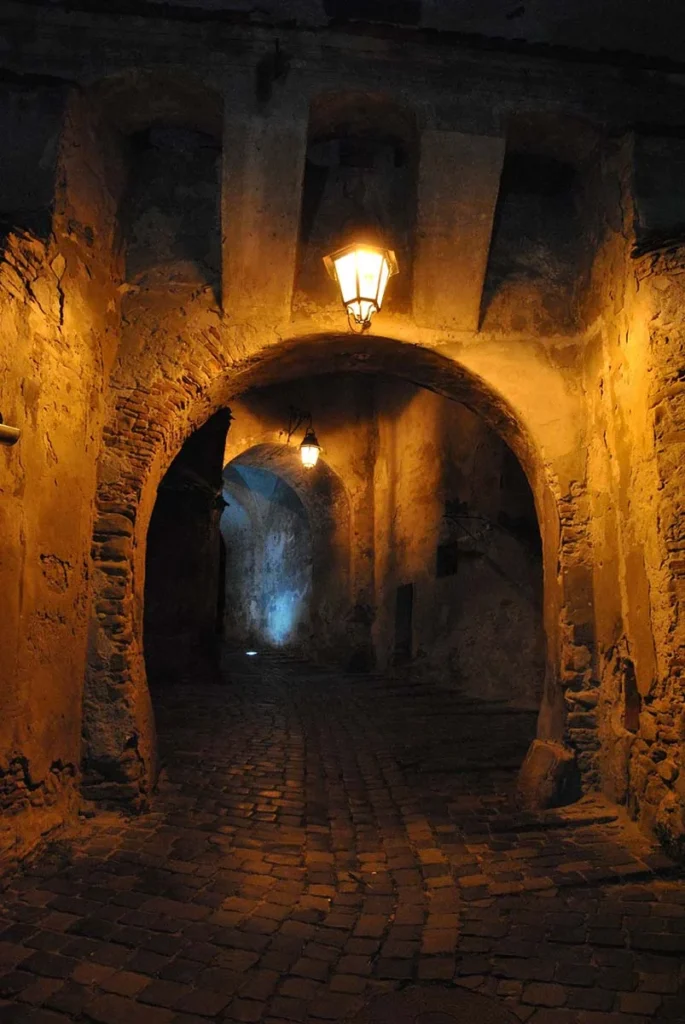
The clock tower is the symbol of Sighişoara. It was built in the second half of the 14th century to defend the main gate of the castle and as the seat of the council (until the end of 1656). The clock tower got its current appearance at the end of the 17th century, when on April 30, 1676 a devastating city fire, coming from the lower town, also spread to the tower. The clock tower has a total height of about 64 meters including the weather vane. The wall thickness is 2.4 meters on the ground floor, the tower contains five floors. On the top floor, the tower is surrounded by an open wooden gallery, which also served as a fire watch and as a lookout on the city’s surroundings. Since 1898 the museum of the guilds has been set up in the clock tower. The tower, originally designed as a gate tower for the city fortifications, connects the lower and upper town. The winding streets are a popular motif for tourists and painters. Another special feature is the clockwork on the fourth floor, it is mechanically coupled to a puppet show that accompanies the change of hours and days and is considered unique in Romania.
Schieden Tower
Of the fourteen towers of the city fortifications, several still bear the names of the guilds that once built and defended them (e.g. tailor’s tower, tin foundry tower), and an almost complete ring wall around the upper town has been preserved.
The Nature Reserve Width
The Breite nature reserve is located on a plateau about 5 km outside of Sighişoara, in the direction of Daneș/Dunesdorf. Here you will experience a unique landscape, because the plateau is an open meadow on which up to 800-year-old, large and mighty oaks stand. A special place for nature lovers. Well-developed and well-maintained hiking trails of the hiking club SKV invite you to explore this impressive area. The amusement park “Dracula” was to be built here in 2001/03, but this absurd idea prevented its construction. The journey by car is possible, but sometimes a bit “bumpy”.
Piața Cetății/Citadel Square
In the past, lively trade was carried out on the Zitadellenplatz and it was used for the implementation of legal proceedings. Today it is a perfect place for walks and relaxation. On the way to the clock tower, on the right side we see the “House with a Deer” and the “House of Vlad Dracul”.